
Repeater clusters
Join separated repeaters into permanent regional groups while retaining local control.
Built by VK operators for VK conditions
A practical Australian network for linking repeaters, simplex nodes and radio clusters over IP without handing control of the system to somebody overseas.
What it does
VKLink was built around inexpensive, available components and an operational model that local repeater owners can understand and repair.
Join separated repeaters into permanent regional groups while retaining local control.
Use low-cost nodes to cover dead spots or extend access beyond a single repeater site.
Connect regional clusters for technical nets, then return them to normal operation.
Proven in service
VK3VS, VK7DB and VK7HH have developed and operated the system across real repeater sites for years. Current uses include a north-south Tasmanian link, regional clusters in Tasmania and Victoria, simplex fill-in nodes and a VK/ZL technical network.
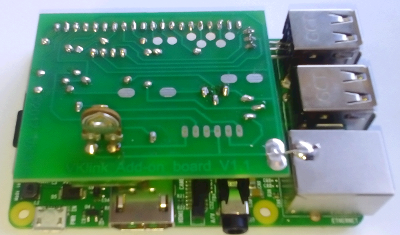
You do not need to own a repeater to take part. A Raspberry Pi, suitable radio and CM108/CM119 interface are enough to build a node.
Radio infrastructure
VKLink includes the chan_voter channel driver for VOTER and RTCM radio clients. This supports voted receivers and simulcast systems such as the VK7RTC network.
AllStarLink operators can also use the VKLink helper package without replacing their existing node configuration.
Operate the network